7 min read
For many people, the question is not whether they would benefit from a facelift. It is whether they are willing to wear the visible signs of having had one.
The incision traditionally placed in front of the ear can be one of the greatest concerns for patients considering facial rejuvenation. Even when it heals beautifully, the idea of a visible incision can prevent someone from seriously exploring surgery.
That concern helped inspire a different approach: the END-of Aging facelift.
END stands for:
- Endoscopic
- No scar in front of the ear
- Deep plane
It is an approach designed for appropriately selected patients who want meaningful facial rejuvenation without the traditional incision running in front of the ear.
The name is not a promise to end the natural aging process. No operation can stop time. It describes a modern surgical philosophy: working endoscopically, avoiding an incision in front of the ear, and addressing the deeper facial tissues rather than relying on tension placed on the skin.
Why the Scar in Front of the Ear Matters
A well-designed facelift incision can heal discreetly, but many patients still worry about being able to wear their hair up, tuck their hair behind their ears, or move through life without feeling that their surgery is visible.
These concerns are not superficial. Privacy matters.
Many patients do not want to look “done.” They do not want their face to appear tight, stretched, or fundamentally different. They want to look rested, refined, and more like themselves.
The END-of Aging approach was developed with that desire for discretion in mind.
Is the END-of Aging Facelift Truly Scarless?
No surgical procedure is literally scarless.
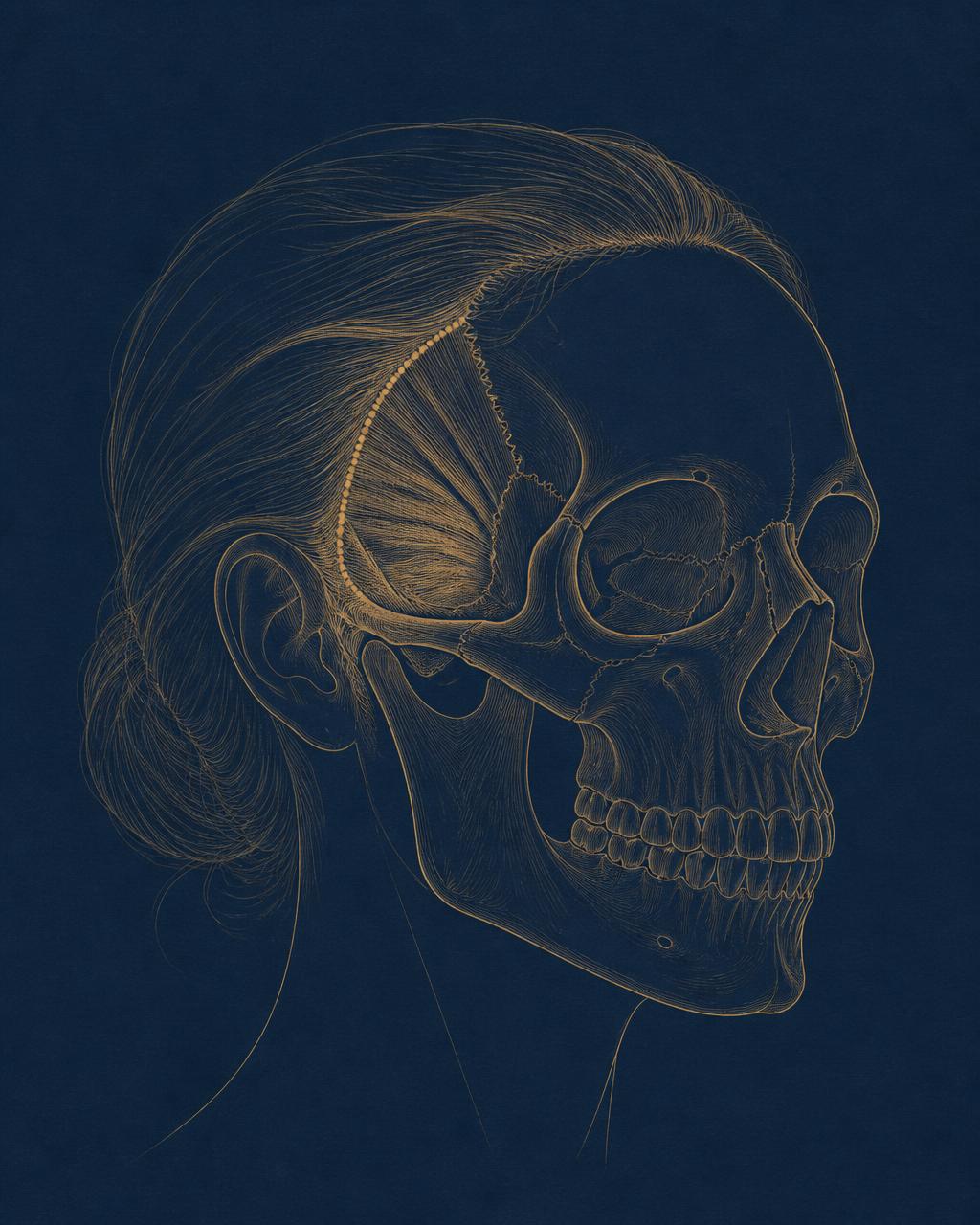
The END-of Aging approach uses carefully positioned incisions, but it is designed so there is no scar running in front of the ear. The location and number of incisions depend on the operation being performed and the patient's anatomy.
This distinction is important. “Scarless facelift” may be an appealing phrase, but it can create an unrealistic expectation.
A more accurate description is:
An endoscopic deep plane facelift performed through strategically concealed incisions, without the traditional scar in front of the ear.
During a consultation, the surgeon should explain exactly where every incision will be located and what each incision makes it possible to accomplish.
What Does “Endoscopic” Mean?
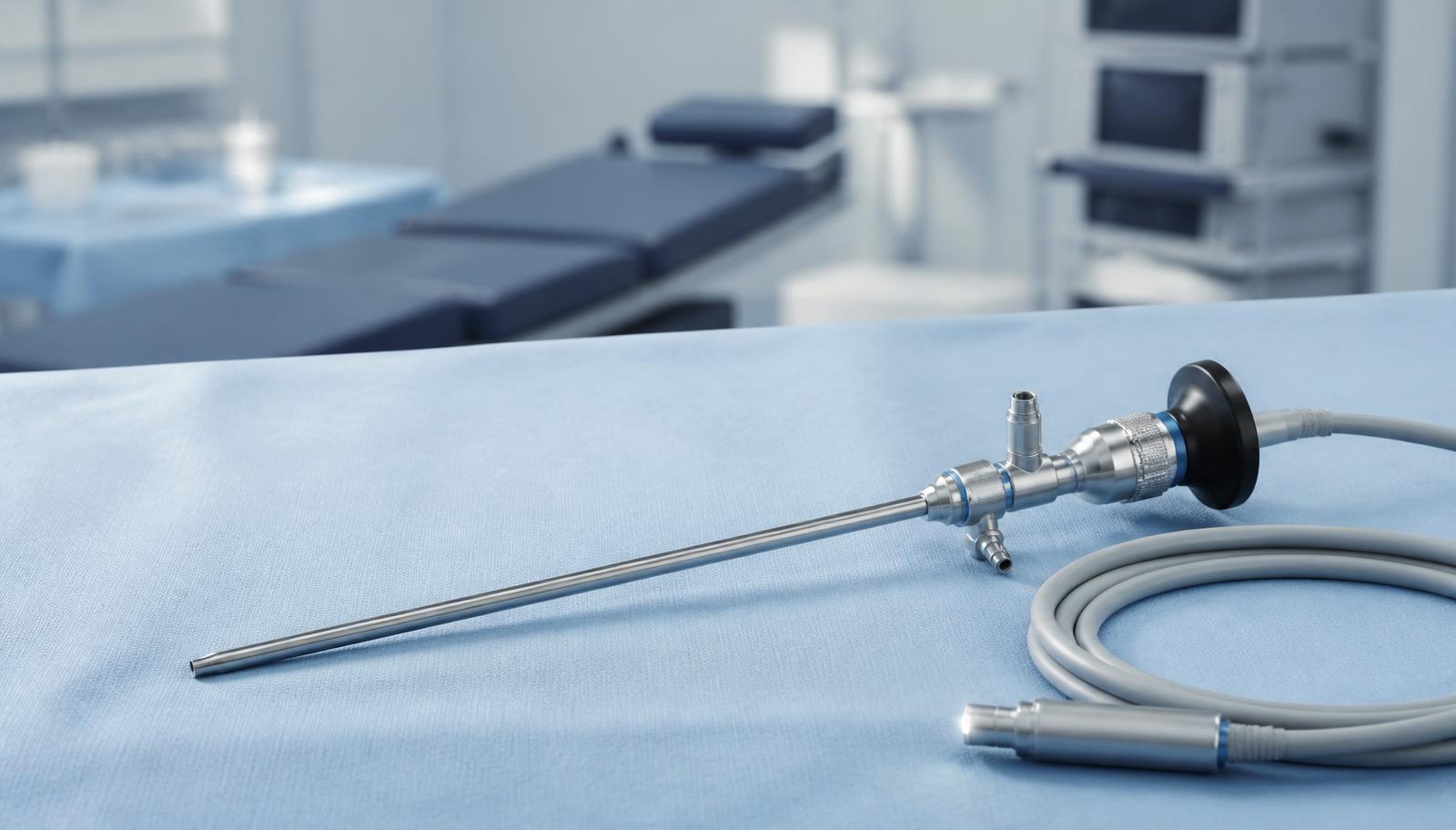
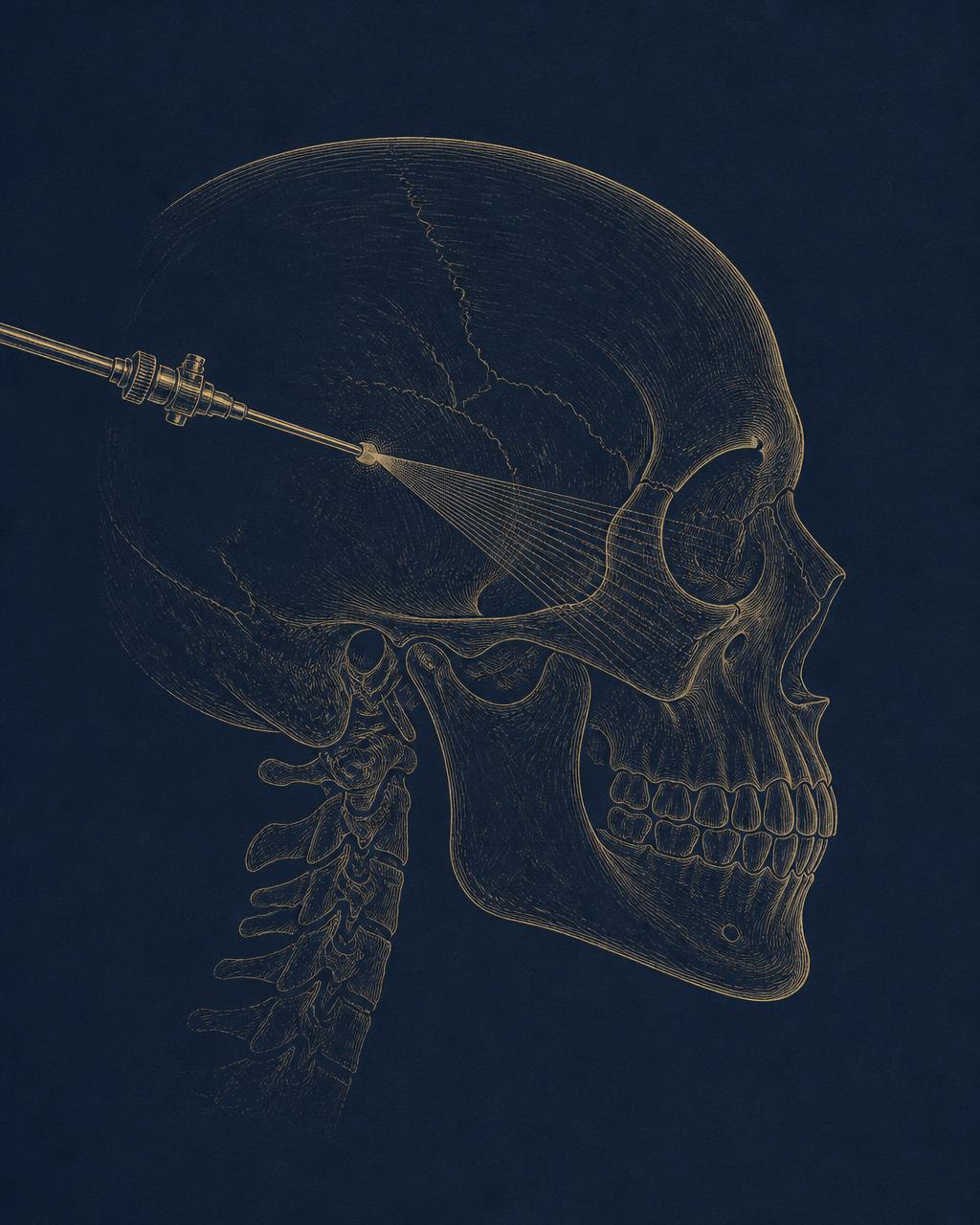
An endoscope is a small camera that allows the surgeon to visualize the internal facial anatomy through limited, strategically placed access points.
Rather than relying exclusively on a longer external incision for visibility, the endoscope provides an illuminated, magnified view of the surgical area.
Endoscopic surgery still requires significant anatomical knowledge and surgical precision. The camera is a tool. It does not replace the judgment or experience of the surgeon using it.
What Is a Deep Plane Facelift?
The face does not age only at the level of the skin.
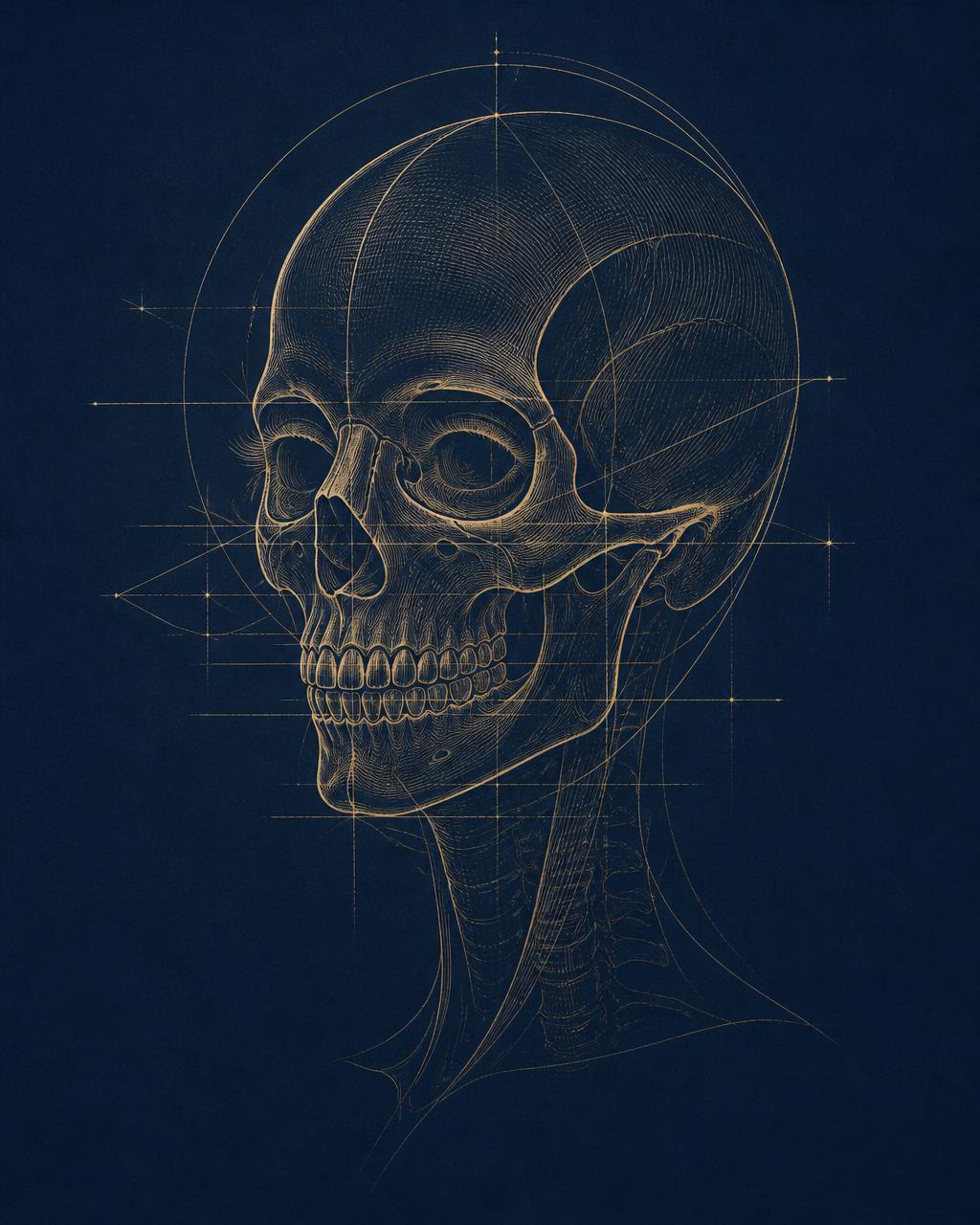
Over time, deeper facial tissues can descend, ligaments can become less supportive, and the relationship between the cheek, midface, jawline, and surrounding structures can change.
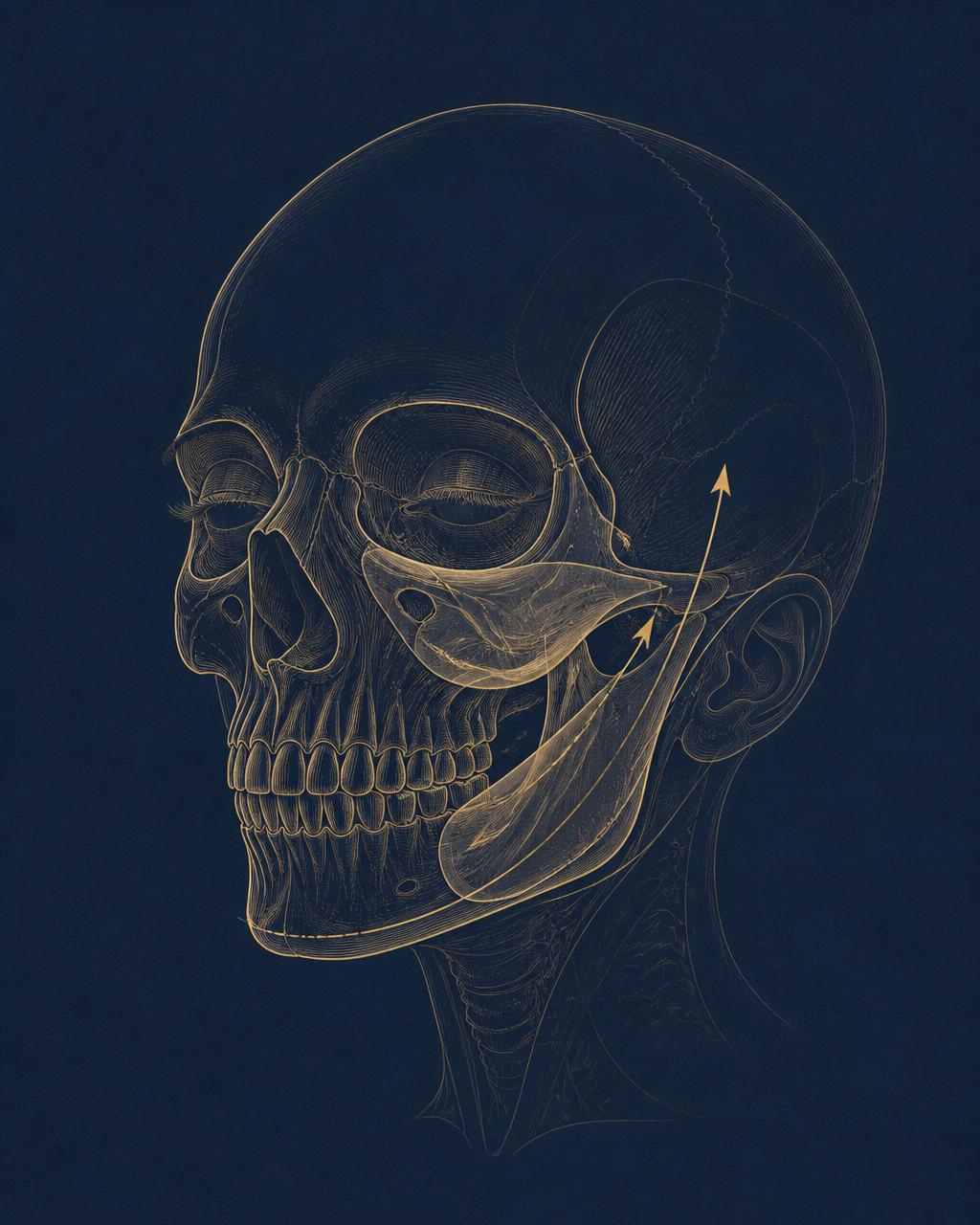
A deep plane approach addresses tissue beneath the superficial skin layer. Instead of attempting to create improvement primarily by pulling the skin, the surgeon releases and repositions deeper facial structures.
The objective is not to create a tighter face. It is to restore facial tissues more purposefully while limiting unnecessary tension on the skin.
The exact areas treated and the degree of improvement depend on the individual's anatomy, skin quality, facial aging pattern, and surgical plan.
What Makes the END-of Aging Approach Different?
The END-of Aging approach brings three surgical ideas together:
- Endoscopic visualization. The surgeon uses an endoscopic camera to visualize and work within the deeper facial anatomy through strategically placed incisions.
- No scar in front of the ear. The approach is designed to avoid the traditional incision running in front of the ear. Incisions are still required, but they are placed in more concealed locations.
- Deep plane repositioning. The operation addresses deeper facial tissue rather than relying on skin tension alone.
Together, these elements are intended to create meaningful rejuvenation while protecting the qualities many patients value most: discretion, individuality, and a result that does not announce the operation.
Who May Be a Candidate?
The END-of Aging facelift is not automatically the right procedure for everyone.
It may be considered for appropriately selected patients who have facial descent that can be effectively addressed through an endoscopic deep plane approach and who want to avoid a scar in front of the ear.
A possible candidate should generally:
- Be in good overall health
- Be a nonsmoker or willing to stop smoking as directed
- Have realistic expectations
- Understand the location of the planned incisions
- Have an aging pattern that can be addressed through this technique
- Be willing to follow postoperative instructions carefully
Age alone does not determine candidacy. Facial anatomy, skin elasticity, the amount of excess skin, previous procedures, overall health, and aesthetic goals are more important.
Who May Need a Different Approach?
This is where honest surgical judgment matters.
A patient with substantial excess skin, advanced lower-face or neck laxity, or needs that cannot be adequately addressed through limited endoscopic access may receive a better result from another operation.
Avoiding a particular incision should never become more important than choosing the procedure capable of safely addressing the patient's anatomy.
In some cases, a traditional or modified facelift incision may be the more appropriate recommendation. In other cases, the END-of Aging approach may offer the right balance of meaningful correction and concealed access.
The procedure should fit the patient. The patient should never be forced to fit the procedure.
Will the Result Look Natural?
A natural result is not created by the name of a technique alone.
It depends on the surgeon's understanding of facial anatomy, the direction in which tissues are repositioned, the amount of correction performed, and the ability to preserve the patient's identity.
The goal of the END-of Aging approach is not to make someone look like a different person. It is to address the facial changes that can make someone appear tired, heavy, or less like the version of themselves they recognize.
No surgeon can guarantee a particular result. Individual outcomes vary based on anatomy, healing, age, skin quality, and the scope of the procedure.
What Are the Risks?
An endoscopic or limited-incision approach is still surgery.
Potential facelift complications can include bleeding, infection, anesthesia complications, prolonged swelling, unfavorable scarring, numbness or altered sensation, hair loss near an incision, asymmetry, delayed healing, nerve injury, and the possibility of revision surgery.
The specific risks and expected recovery should be discussed during an individualized consultation.
A smaller or more concealed incision does not make careful patient selection, surgical planning, and postoperative care any less important.
The Question Is Not “Which Facelift Is Best?”
The better question is:
Which operation is most appropriate for my anatomy, my aging pattern, and the result I want?
“Deep plane,” “endoscopic,” and “scarless” have become powerful marketing terms. But a technique should never be chosen because it is popular online.
It should be recommended because it is appropriate for the person sitting in the consultation room.
A More Discreet Approach to Facial Rejuvenation
The END-of Aging facelift is for patients who want to explore a different possibility: endoscopic visualization, deep plane tissue repositioning, and no scar in front of the ear.
It is not an attempt to erase every sign of age. It is a more considered way of addressing the structural changes of facial aging while respecting the patient's identity and desire for discretion.
If the possibility of a visible incision in front of the ear has kept you from considering a facelift, the END-of Aging approach may be worth discussing.
Is the END-of Aging Facelift Right for You?
The answer requires an individual evaluation of your facial anatomy, skin quality, medical history, previous treatments, concerns, and goals.
During your consultation, we will determine whether the END-of Aging approach is appropriate or whether another technique would provide a safer and more complete result. You can also browse before-and-after results from past patients.
Schedule a private consultation with Suzanne A. Trott, M.D., F.A.C.S. to learn which approach is right for your face.
Individual results vary. This article is for educational purposes and is not a substitute for an in-person medical evaluation. All surgical procedures involve risks, scars, recovery, and the possibility of complications.