
01
What END means
Endoscopic
A small camera gives Dr. Trott a magnified view of the deeper tissues through incisions hidden in the hair.
No incision in front of the ear
In suitable patients, access comes from the scalp rather than an incision along the front of the ear. Hidden incisions are still incisions.
Deep plane
The lift works beneath the SMAS support layer, releasing attachments and repositioning descended tissue—not simply tightening skin.
02
Endoscopic vs. deep plane: two different questions
Endoscopic describes how the surgeon sees and accesses the tissues. Deep plane describes where the lifting work happens. They are not competing procedures: an endoscopic facelift can use a deep plane approach.
The END-of-Aging Facelift combines the two. A classic deep plane facelift also treats the deeper support layer, but uses incisions around the ear to allow more excess skin to be removed.
The important distinction is not “small incision equals better surgery.” It is whether the incision plan allows the correction your face actually needs.
Comparison
The comparison, said plainly
| What you care about | Skin-focused lift | Typical SMAS lift | END-of-Aging Facelift | Classic deep plane facelift |
|---|---|---|---|---|
| What gets moved | Mostly skin | Support layer tightened or repositioned | Skin + fat + SMAS as one unit | Skin + fat + SMAS as one unit |
| Ligaments | Usually left intact | Varies by technique | Released so the face can rise | Released so the face can rise |
| Direction of lift | Skin redraping; direction varies | Tailored to the technique | Upward repositioning, tailored to anatomy | Upward repositioning, tailored to anatomy |
| Midface / cheek | Does not directly reposition deep cheek tissue | Depends on the approach | Targets descended cheek tissue | Targets descended cheek tissue |
| Scar in front of the ear | Yes | Yes | No, in the right candidate | Yes — used when extra skin must be removed |
| Where lift support comes from | Primarily skin | The SMAS support layer | Deeper tissue; skin is not the sole support | Deeper tissue; skin is not the sole support |
| Best for | Surface laxity | Jawline-focused aging | Structural aging with limited extra skin | Structural aging with more skin redundancy |
What gets moved
Ligaments
Direction of lift
Midface / cheek
Scar in front of the ear
Where lift support comes from
Best for
04
Why lifting the skin is not the whole answer
Facial aging involves more than loose skin. Cheek tissue can descend, volume can change, and the deeper support layer can lose firmness. Together, those changes can make the folds beside the nose more prominent and soften the jawline.
Tightening the surface alone does not address every layer. Deep plane surgery is designed to reposition descended tissue so the deeper support—not the skin alone—carries the lift.
The aim is to restore balance and contour, not to make every line disappear or change the character of your face.
05
How the lift works
1. See the anatomy
Through carefully placed scalp and temporal incisions, the endoscope provides a magnified view of the surgical field. The access plan depends on the areas being treated.
2. Release and reposition
Selected retaining attachments are released so descended tissues can move. Skin and deeper tissue are elevated together, with an upward direction tailored to your facial anatomy.
3. Support the lift and plan the incisions
The repositioned tissue is secured. When skin excess is limited, the front-of-ear incision may be avoided. If your lower face or neck needs more skin removal, a classic deep plane approach may provide the better correction.
06
What this changes
Treatment goals, not guaranteed results. Illustrations are not patient photographs.
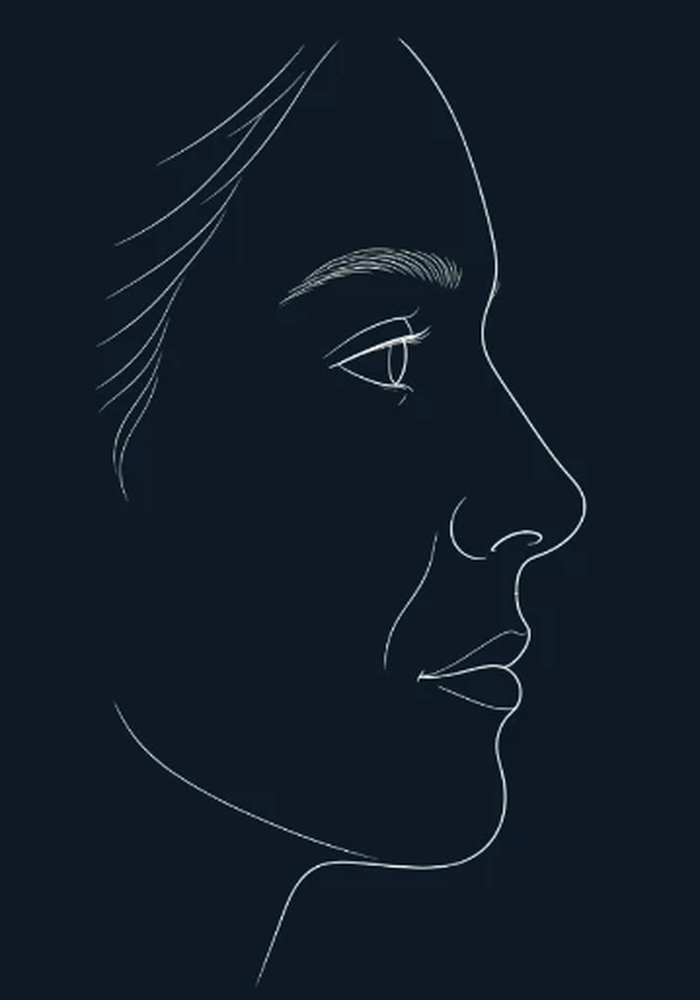
Mouth Corners
Repositioning descended lower-face tissue may reduce the downward pull around the mouth. The aim is a softer, more balanced contour—not a change to your smile.
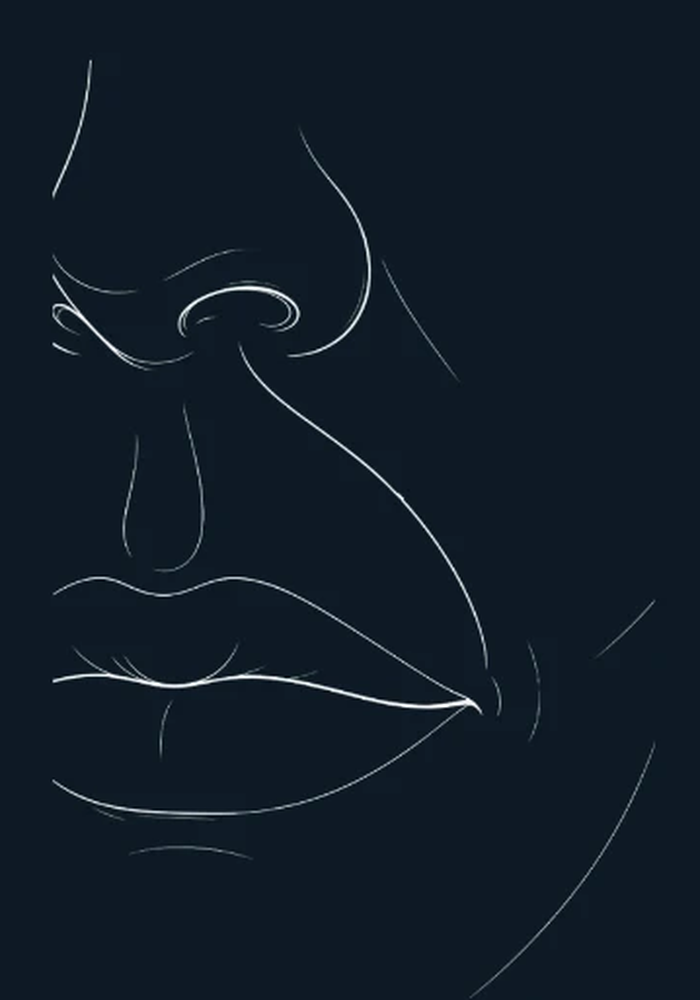
Nasolabial Folds
Lifting descended cheek tissue can soften the folds beside the nose. Deeply etched lines and skin texture may still need separate treatment.
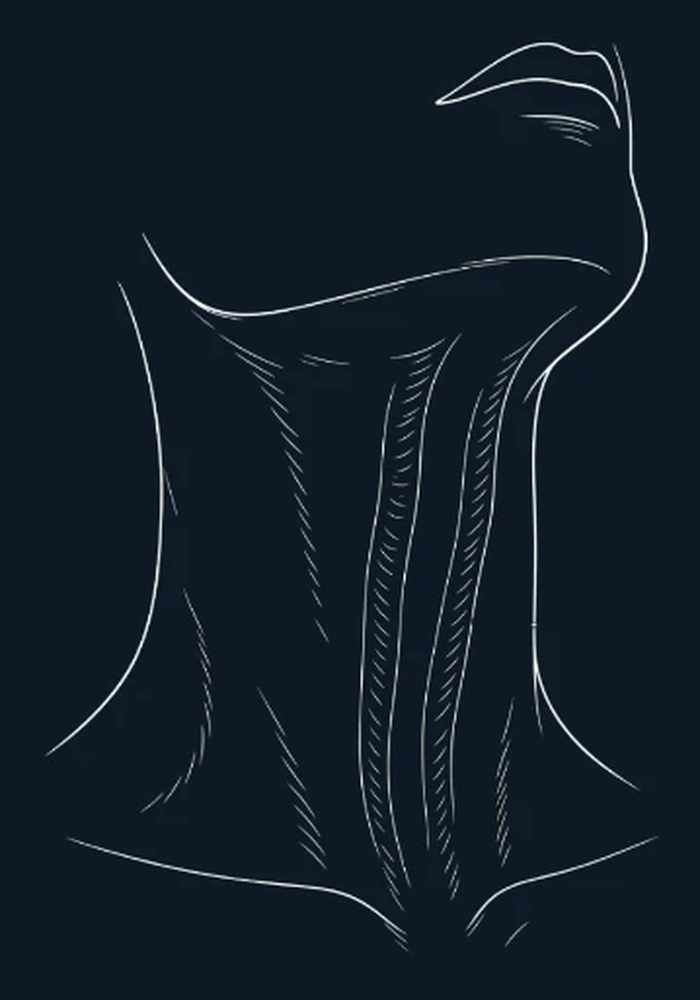
Neck
When indicated, neck treatment can complement the facial lift. Muscle bands, fat and loose skin each require their own assessment and may need additional incisions.
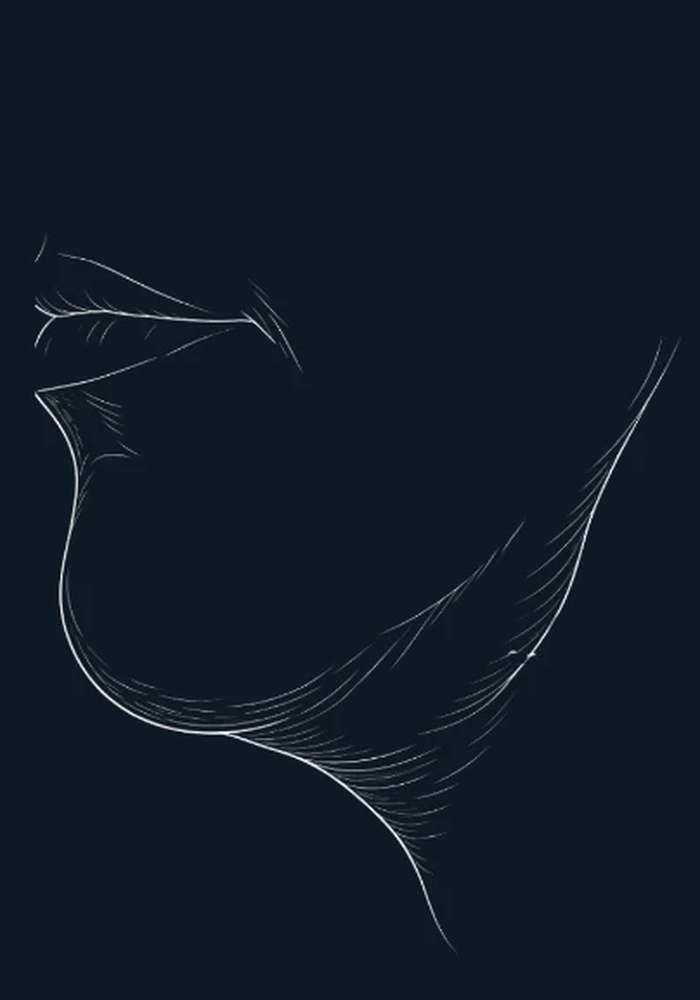
Jowls
Elevating descended lower-face tissue can reduce jowl heaviness and improve jawline definition. The degree of improvement depends on your anatomy and skin excess.
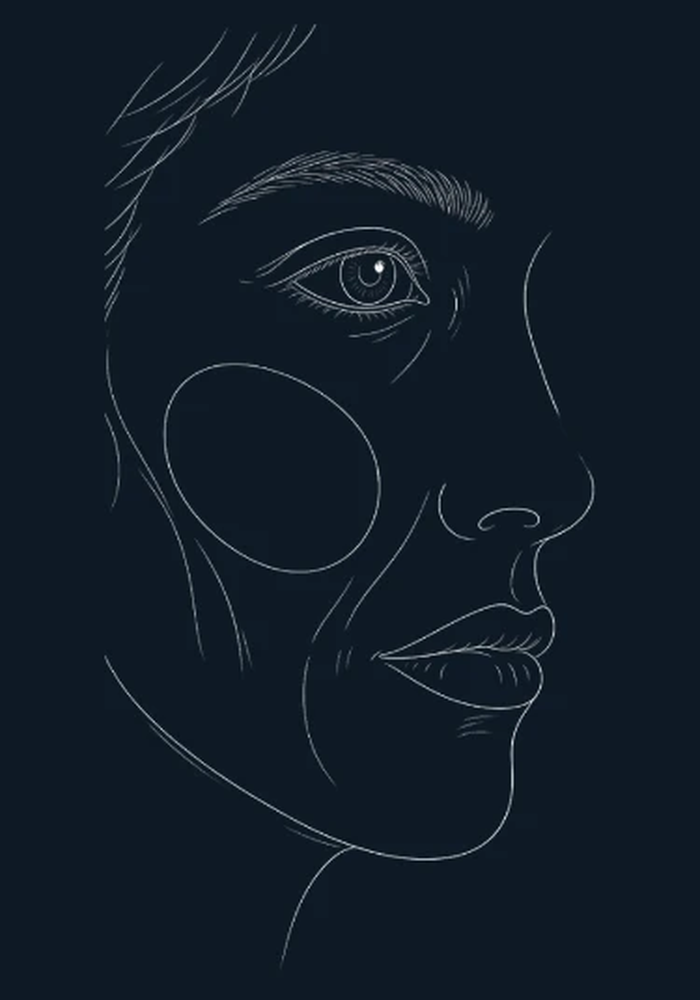
Cheeks
Repositioning your own cheek tissue can restore a higher, better-supported contour. Volume loss is a separate issue and may call for additional treatment.
07
Is the endoscopic approach right for you?
It may be worth considering if you have:
- Descending cheek tissue or a flatter-looking midface.
- Jowls or folds that reflect tissue descent rather than a volume deficit alone.
- Limited excess skin, with a strong preference to avoid an incision in front of the ear.
- Realistic expectations about surgery, healing and the degree of change possible.
Significant loose skin may make a classic deep plane facelift the better choice. A smaller incision is not an advantage if it leaves the correction incomplete. Dr. Trott evaluates skin excess, facial support, neck contour, health and prior treatments before recommending an approach.
Men and women can be candidates. Hair pattern and scar history also matter when planning hidden access.
08
Recovery: give the result time
First week
Rest and early healing
Swelling, bruising and tightness are expected. Follow your individual instructions and attend your follow-up visits.
Weeks 2–3
Returning to social plans
Many patients feel ready for quieter social activities, but visible swelling or bruising can remain. Allow flexibility around important events.
Weeks 4–6
Continued settling
The face generally looks more settled. Dr. Trott will guide your return to exercise and more demanding activities.
Months 3–6
A more refined result
Residual swelling continues to resolve. Healing varies with your anatomy, health and any additional procedures.
Hidden incisions do not mean no downtime. Your personal recovery plan matters more than a calendar promise.
09
Choose the lift that fits your face
The appeal is straightforward: meaningful structural lifting with an incision plan designed to stay discreet. The decision is equally straightforward: use the endoscopic approach when it fits your anatomy, and classic deep plane access when more skin needs to be removed.
At your consultation, Dr. Trott assesses your cheek position, jawline, skin excess and neck. You will discuss the changes you want, the trade-offs of each approach and a realistic recovery plan.
The best operation is the one that gives your face the right correction—not the one with the smallest-sounding name.
Q&A
Frequently asked
Explore next
Related procedures
Face & Neck
Blepharoplasty →
Face & Neck
Brow Lift →
Face & Neck
Chin Augmentation →
Face & Neck
Deep Plane Facelift →
Or return to all Face & Neck procedures · view every procedure.