6 min read
By Dr. Suzanne A. Trott, Double Board Certified Plastic Surgeon in Beverly Hills
I have always believed that good plastic surgery is not about doing the biggest procedure possible. It is about understanding exactly what needs to change, and, perhaps more importantly, what doesn't need to change.
There are several procedures I perform in my Beverly Hills office under local anesthesia that patients are often surprised to learn don't require a major operation. They are focused, relatively quick for appropriately selected patients, and can create a refined change without turning the procedure into a major event.
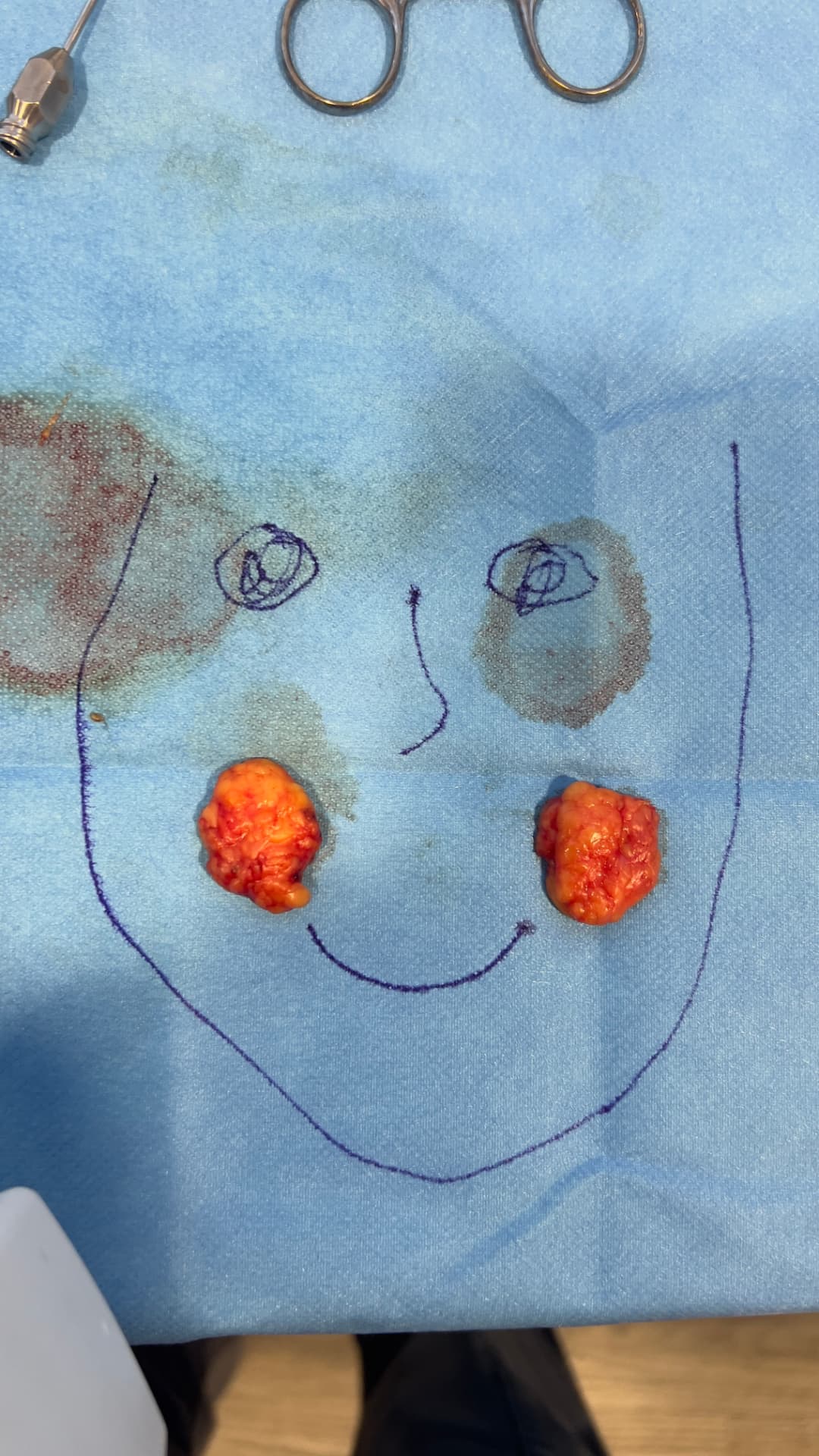
1. Buccal Fat Removal
The biggest mistake I see with buccal fat removal? Taking out too much.
Buccal fat removal sounds simple, and technically it is a fairly focused procedure. But the important part isn't finding the buccal fat. It's knowing how much should come out for that particular face. I look at facial proportions, cheek fullness, symmetry, age, and overall structure before deciding whether this is even the right procedure.
I work through the inside of the mouth, so there is no external facial scar. The goal is not to hollow the cheeks; it is to refine the midface and create a more sculpted facial profile. In my practice this is an office-based treatment performed with local anesthesia or IV sedation, taking about one hour depending on the patient.
One detail patients rarely think about is the future. The face naturally changes with age. That is why I believe restraint matters. I would rather preserve youthful fullness than chase the most dramatic hollow possible.
The quick version: For the right patient, buccal fat removal is performed in the office with local anesthesia or IV sedation and takes about one hour, although timing varies by patient.
Dr. Trott's take: Sculpt the cheek, don't empty it.
2. Upper Eyelid Blepharoplasty
Your upper eyelids may not need more surgery. They may need less.
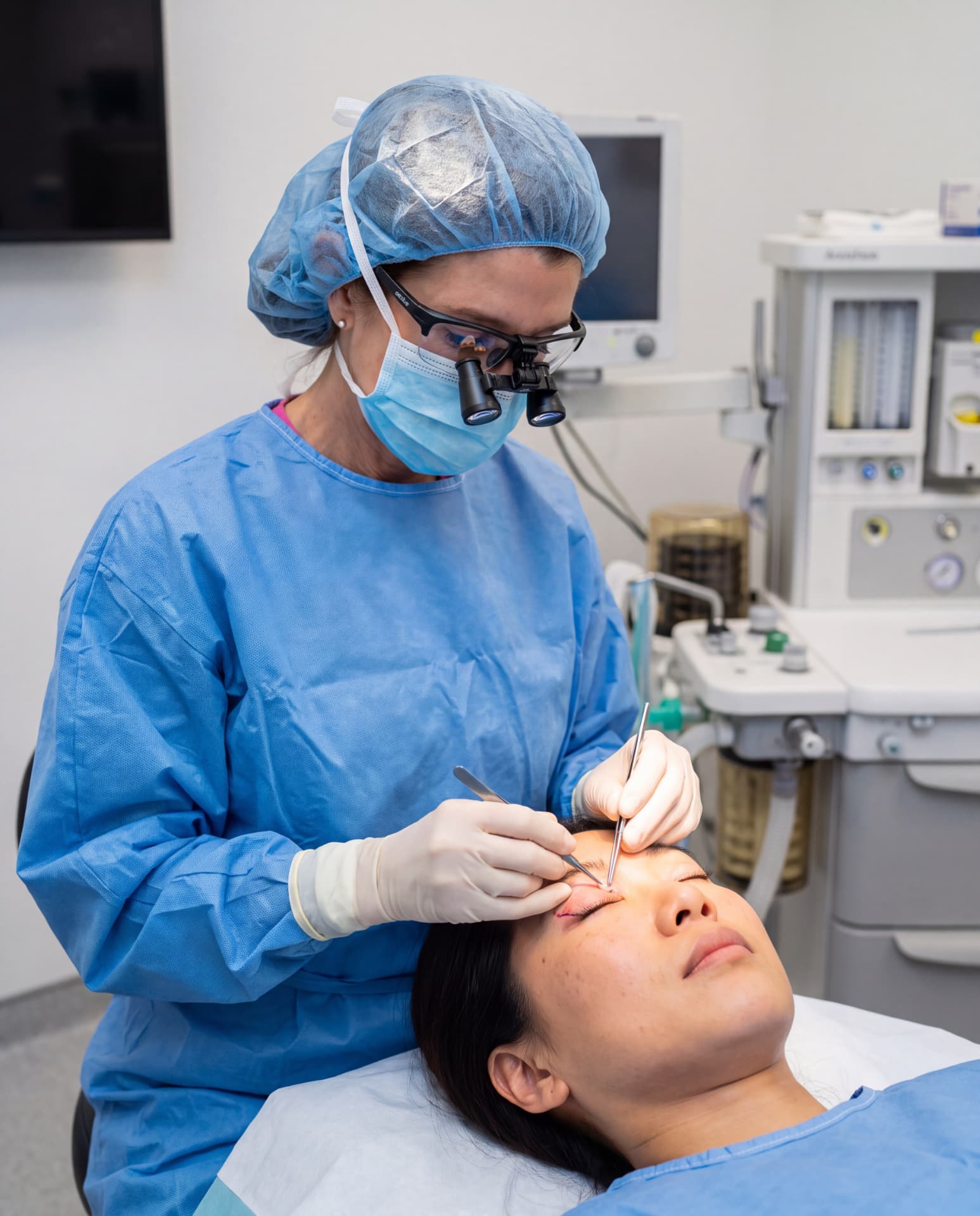
When someone tells me, "I always look tired," I don't automatically think, "let's remove a lot of skin." I look at the eyelid crease, brow position, skin, muscle, and fat, and ask what is actually creating the heaviness.
The upper eyelid is a small anatomical area, so precision matters. I want to remove what is truly redundant while preserving the structures that help the eye remain natural as you age. Blepharoplasty reduces excess skin and creates a more awakened appearance.
One of the most important principles in eyelid surgery is knowing what not to remove. An eyelid can look refreshed without looking hollow or operated on.
The quick version: Eyelid surgery can take up to two hours depending on whether one or both eyelids are treated; anesthesia and setting depend on the individual procedure and patient.
Dr. Trott's take: I don't want anyone to look at you and know you had your eyelids done. I want them to think you look rested.
3. Submental Neck Lift
If you think your double chin is just fat, look again.
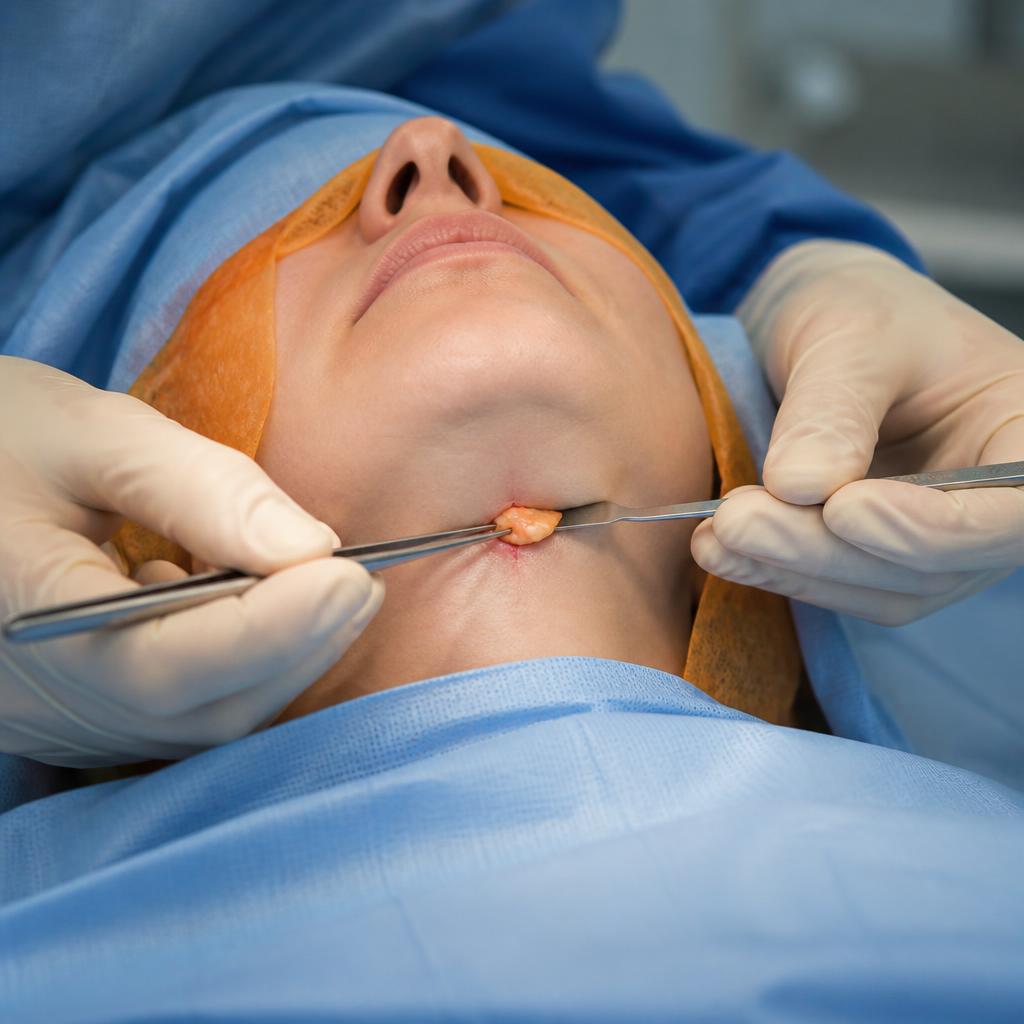
When a patient grabs the skin underneath her chin and asks me to get rid of it, I don't just look at the fat. I look at the entire neck contour. Is there superficial fat? Is there loose skin? What is the underlying tissue doing? How does the chin transition into the neck?
That distinction matters, because a beautiful neck is not created by simply removing everything possible. My neck lift technique begins with liposuction when isolated superficial fat is present, then addresses loose skin and underlying tissue to achieve the desired contour.
For an appropriately selected patient, I perform neck lift surgery in the office under local anesthesia, using a hidden incision under the chin and, when needed, additional small incisions behind the ears.
The quick version: Office-based neck lift surgery under local anesthesia; exact timing depends on what needs to be treated.
Dr. Trott's take: This is one of the best procedures you can do if you catch it in your thirties or forties, it can save you years on needing a facelift.
4. Nanofat Under the Eyes & Throughout the Face
I don't want to put more volume under your eyes. I want to improve what is actually there.
The under-eye area is delicate, and I don't believe every hollow should automatically be filled. When I evaluate a face, I look at the transition between the lower eyelid, cheek, temple, and midface, and ask what is creating the tired appearance.
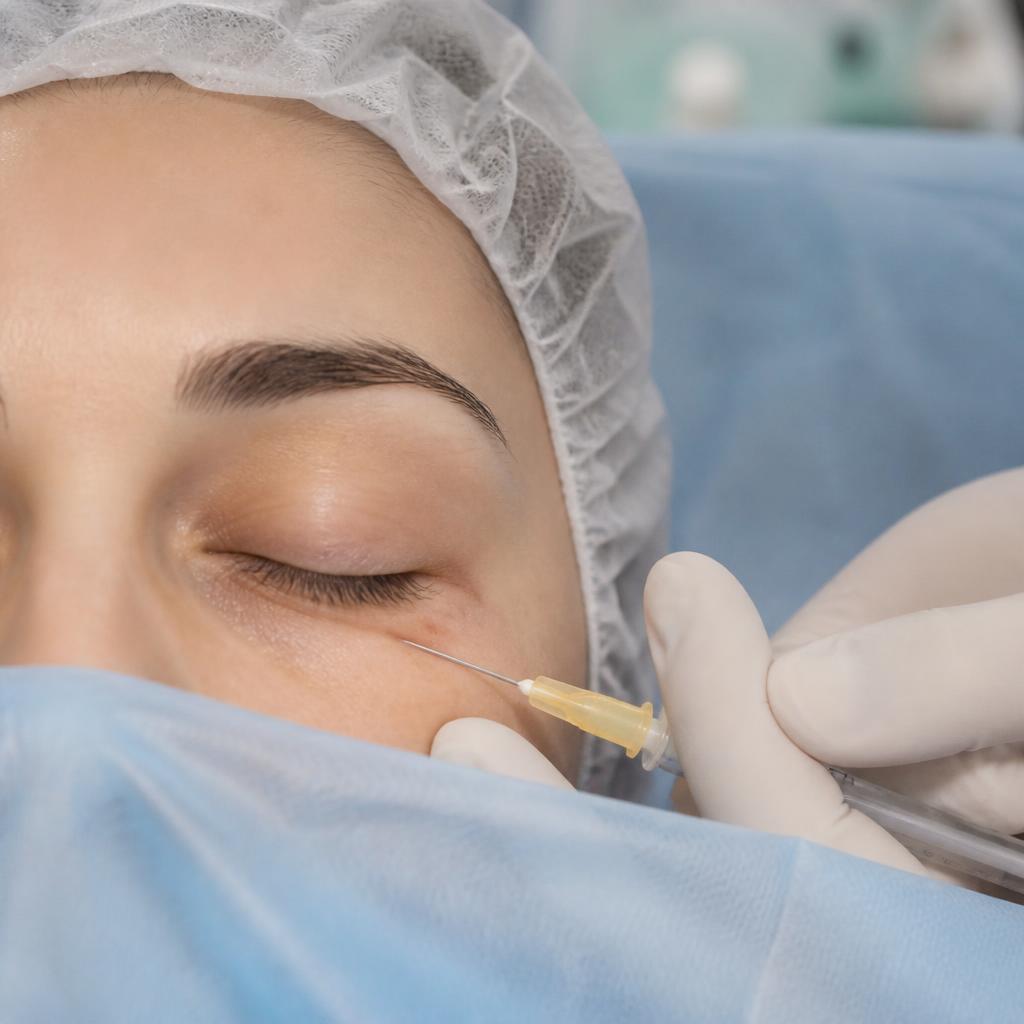
Nanofat is fat emulsified into a very fine consistency for delicate areas such as the lower eyelids, fine lines, and acne scars. Facial fat grafting restores youthful volume while improving overall skin quality.
My approach is intentionally conservative. I don't want to make the face bigger. I want to use the patient's own tissue thoughtfully and place it where it makes anatomical sense. A beautiful result depends on how the treated area blends into everything around it.
The quick version: For appropriately selected patients, nanofat and fat grafting is a focused facial treatment; procedure time and anesthesia depend on the areas treated.
Dr. Trott's take: I usually do this twice. The trick is not to overfill and not to underfill, with two treatments we get it just right.
5. Small-Area Liposuction
Good liposuction isn't about removing more fat. It's about knowing exactly where to stop.
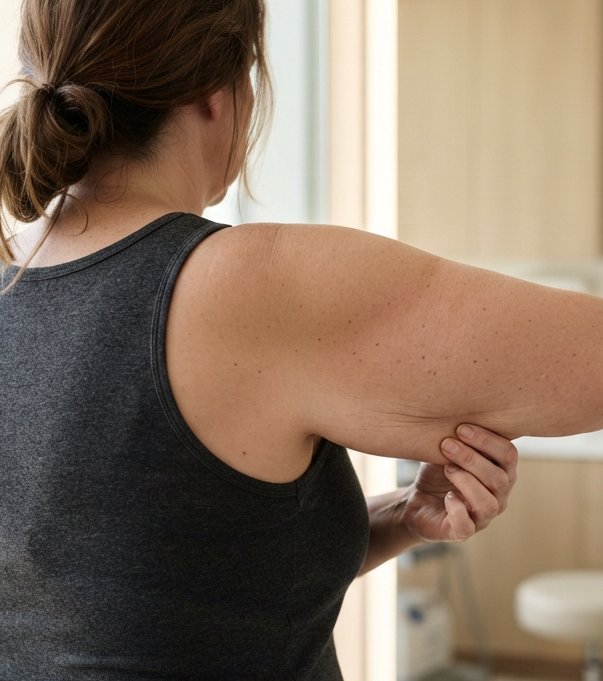
When I say small-area liposuction, I am not talking about turning a small concern into a major operation. I am talking about a localized area of fullness that is changing a person's contour and may be appropriate for a focused office procedure.
I think about the transition between the area I am treating and the area I am leaving alone. Remove too aggressively and you can create an irregularity. Without understanding the surrounding anatomy, the result can look operated on rather than naturally contoured.
My liposuction philosophy is precision body sculpting and targeted contouring for a balanced, natural silhouette. The exact technique, anesthesia, and timing depend on the area and amount being treated.
The quick version: For a small, appropriately selected area, the procedure may be performed as a focused office treatment under local anesthesia; the exact time depends on the location and extent of treatment.
Dr. Trott's take: The artistry in liposuction is often in what you choose not to remove.
The Part I Think Patients Sometimes Miss
After all these years of doing surgery, I've become increasingly convinced that the best cosmetic surgery is rarely about doing more. It's about seeing more: the anatomy, the proportions, the way the face or body will age, and what needs to be removed versus what should stay.
These procedures may be smaller than the surgeries people usually associate with plastic surgery, but that does not mean they require less thought. In fact, sometimes the smaller the procedure, the more precise you have to be.
Five small procedures. Five very different problems. One philosophy: don't change more than you need to in order to make the right change.
So if you've been looking in the mirror thinking, "there's just this one little thing I wish I could fix", maybe you don't need a major transformation. Maybe you need the right surgeon to see what you're seeing.